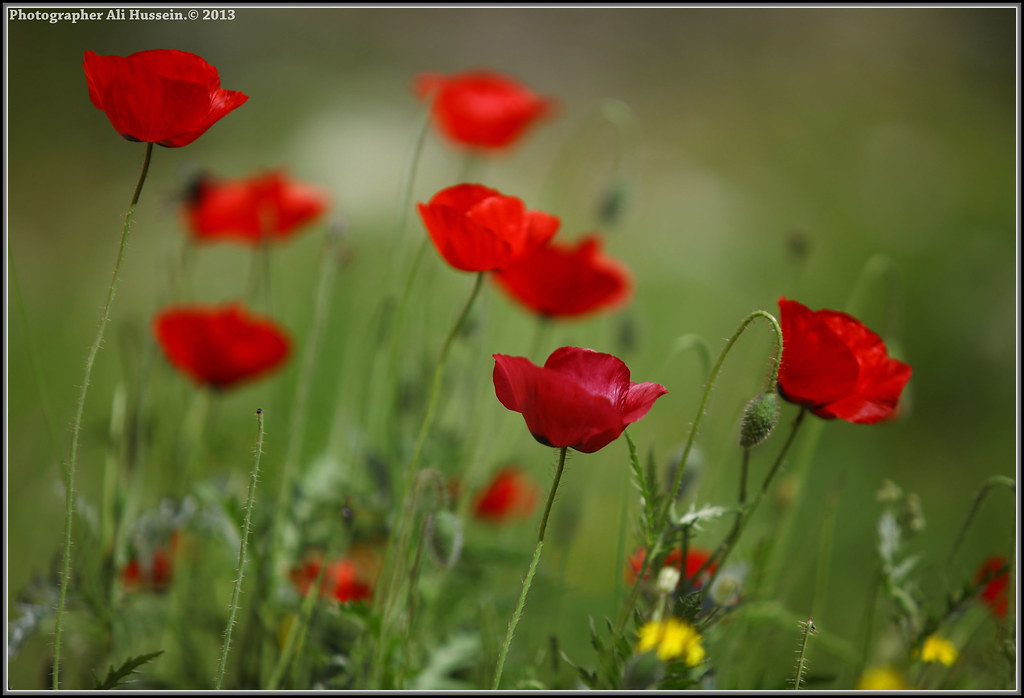
We take it as a given that flowers are important. Almost every country in the world beside the polar extremes has evidence of some sort of flowers in their history. The reasons behind that are quite varied. Jack Goodie, a Cambridge anthropologist, teases them out in his thought provoking book “The Culture of Flowers,” published about thirty years ago. His peers jeered at him for wasting his time on such childish nonsense but he has many interesting things to say.
For farmers and orchardists a flower is only a precursor to a fruit, something which can be eaten. It is hard to know precisely when people recognized flowers aesthetically in their own right as something of beauty. Many flowers which we now grow solely for their fragrance or appearance were originally considered to be useful as flavorings or because they had perceived medicinal effects. For centuries pinks were used to flavor wine in Western Europe.
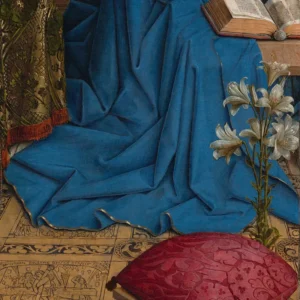
Flowers emerged as significant in religious rites and ceremonies. Once the marigold reached India it became an essential part of Hindu ceremony. No one know when that occurred. The marigold is not native to India but it is used as swags and in other mass effects at weddings and funerals. In the western world lilies became synonymous with death.
Both men and women used flowers to adorn their persons. Tomb paintings show them in Ancient Egypt. The Romans had a passion for roses. The emperor Heliogabalus is said to have smothered some unwanted guests in an enormous shower of rose petals.
In Japan one of the most admired flowers is peach blossom. Its significance can be seen in the amount of painting and other artistic representations it has gathered. For most of the time cutting off a branch of the peach tree just for the flowers was not a good idea, as it reduced the size of the crop. To overcome that disadvantage Japanese breeders have produced peach trees which are purely ornamental and blossom very richly, intended to be cut and displayed in a vase. Other blossoming trees loom large in Japanese society, cherry and plum particularly.
Somewhere along the way this fragile, evanescent object became the basis of a gigantic global industry. The emergence of massive industries as a whole took place largely over the nineteenth century and flowers are no exception. In my opinion, Louis Van Houtte in Ghent, Belgium and Victor Lemoine in Nancy, France, led the way in the last quarter of the nineteenth century. Both operated exceptionally large nurseries and Lemoine in particular, bred literally hundreds of new cultivars of standard florists’ flowers, overwhelming the capacity for the market to absorb them. His work was breathtaking. The general public was the beneficiary. It became possible for ordinary people to buy flowers which had previously signalled wealth and social station.