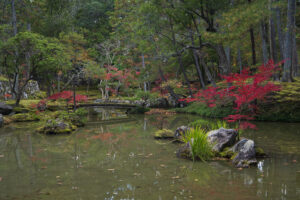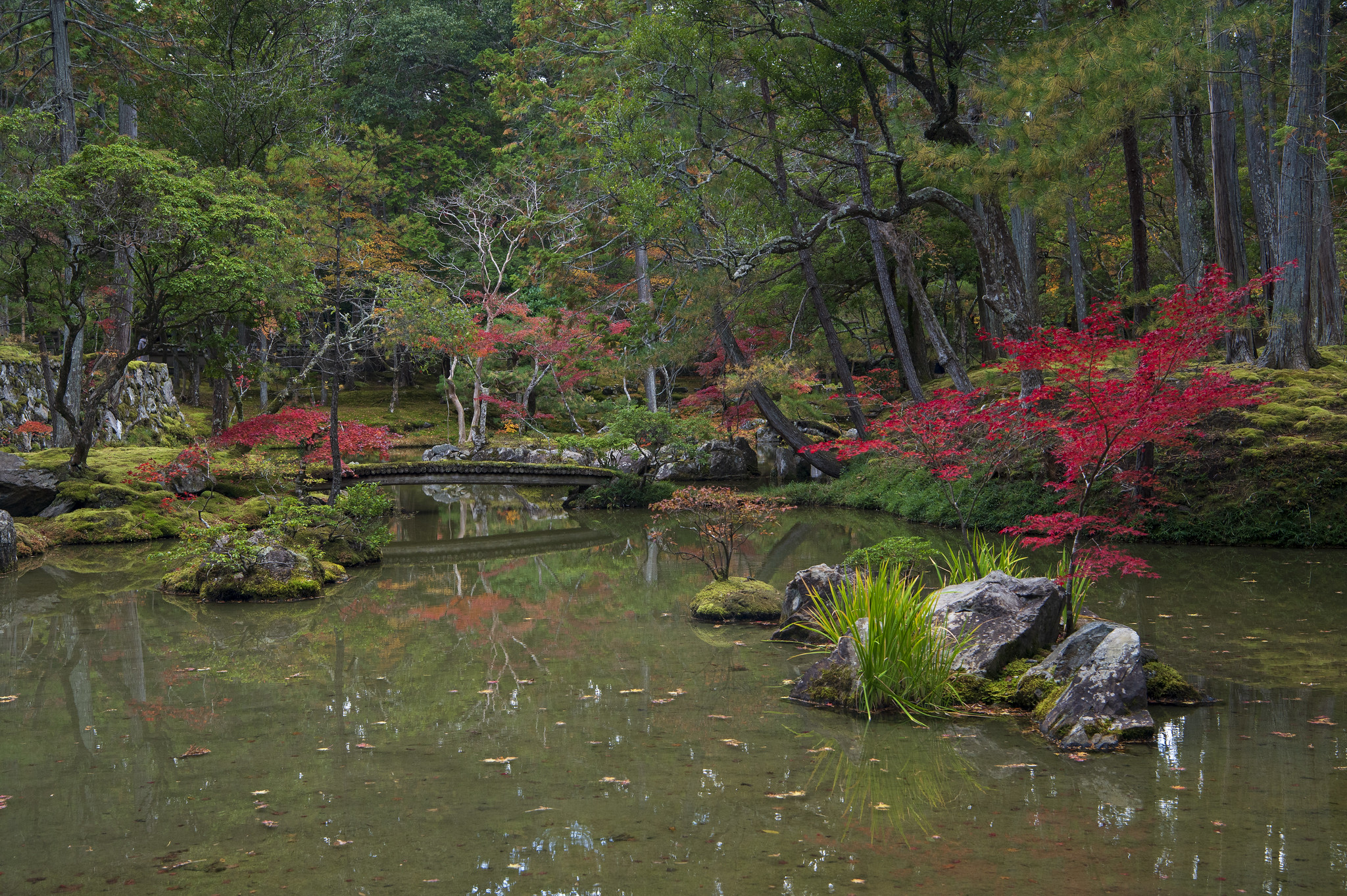
Hidden in the western foothills of Kyoto lies one of the most contemplative gardens in the world. Known as Kokedera, or the “Moss Temple,” Saihō-ji is less a garden to be admired at a glance than one to be experienced slowly—through quiet walking, careful looking, and patient presence.
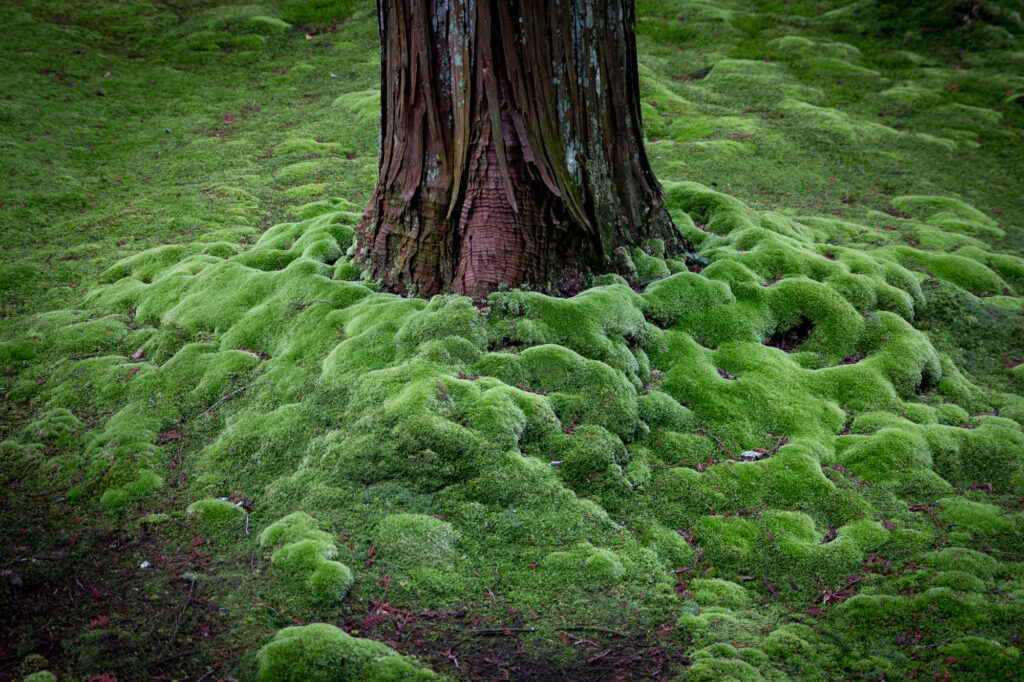
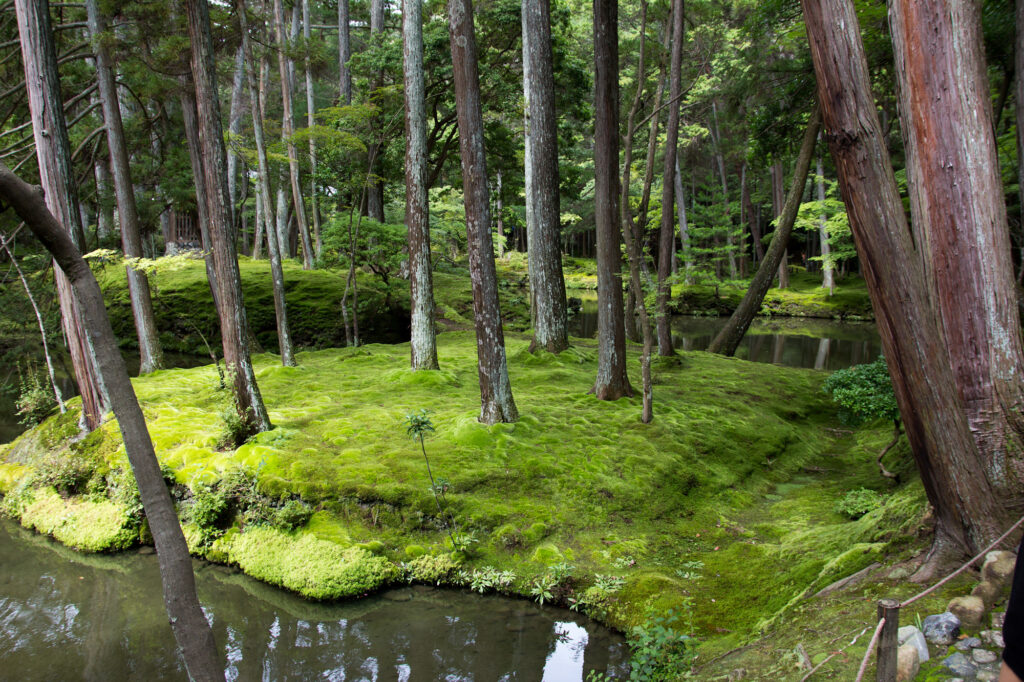
Today, more than 120 varieties of moss carpet the temple grounds, forming a living tapestry of green that shifts subtly with light, moisture, and season. The effect is immersive and hushed, a landscape where sound softens, time stretches, and attention naturally turns inward.
From Zen Temple to Moss Sanctuary
Saihō-ji was founded in the 8th century, but its garden as we know it today took shape centuries later under the guidance of the Zen monk and garden master Musō Soseki. Originally designed as a kaiyū-shiki (strolling garden) with a central pond, the landscape reflected classical Zen principles—balance, symbolism, and harmony between built and natural elements.
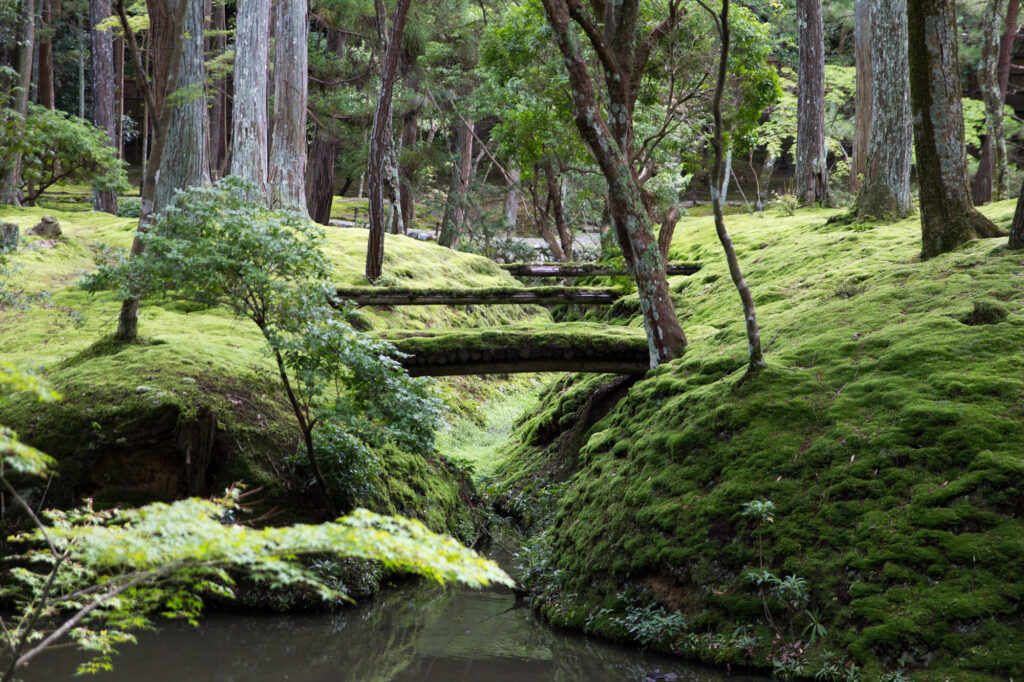
Over time, repeated flooding transformed the site. What might have been considered damage elsewhere became opportunity here. Moss thrived in the damp conditions, gradually overtaking stones, paths, and embankments. Rather than resisting this change, caretakers embraced it, allowing nature to become a co-designer. The result is a garden shaped as much by chance as by intention—a core tenet of Zen aesthetics.
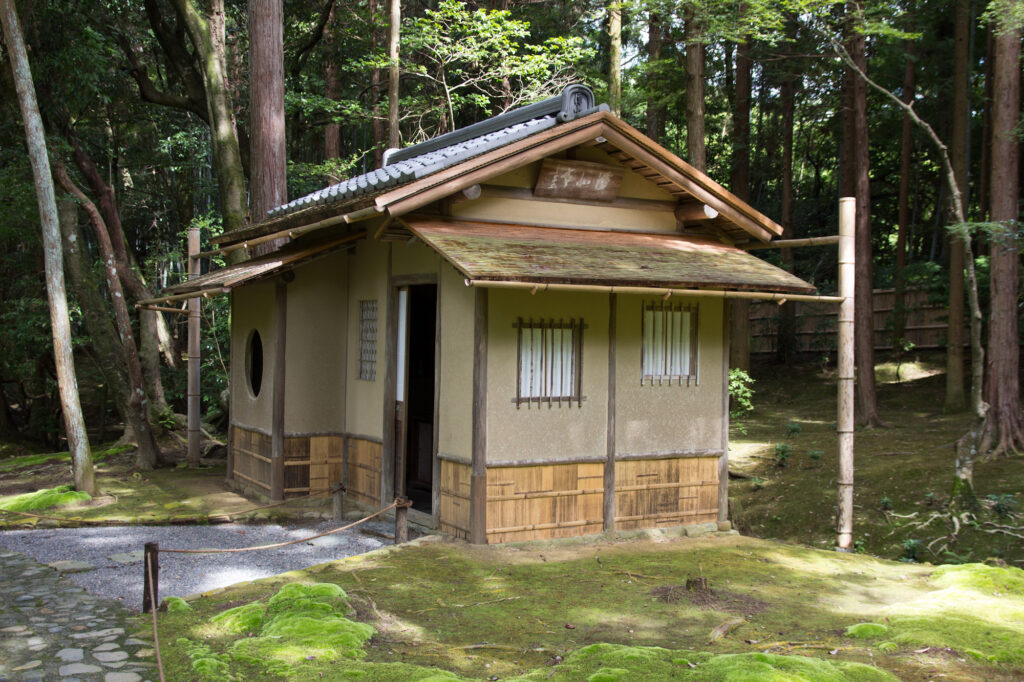
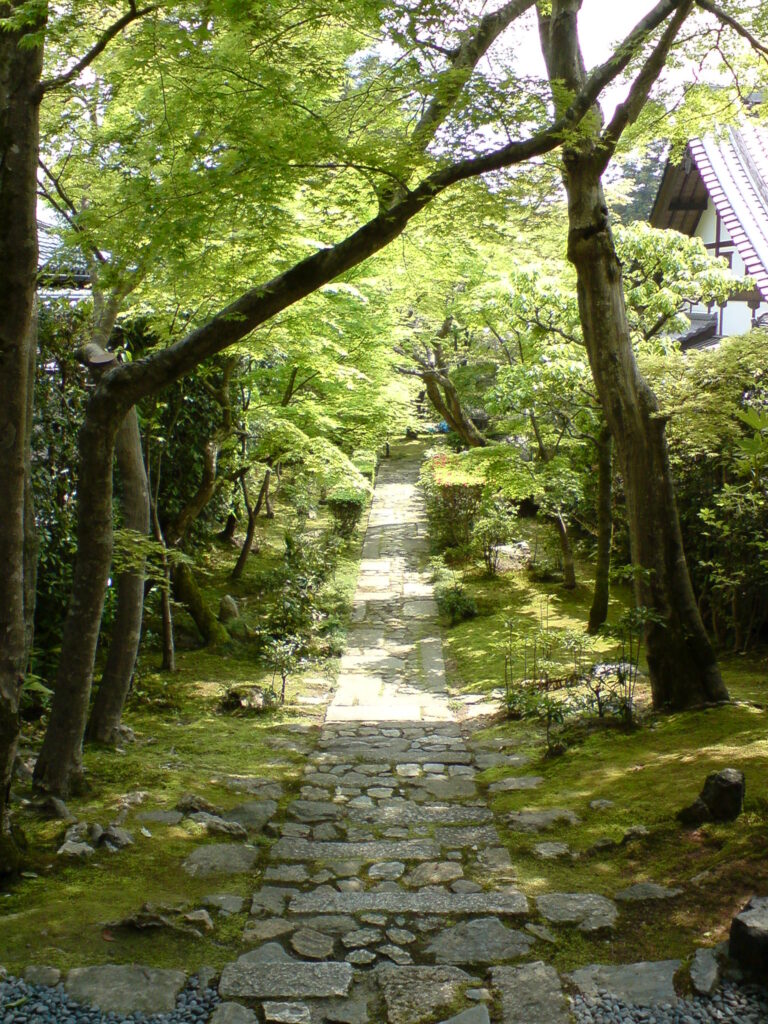
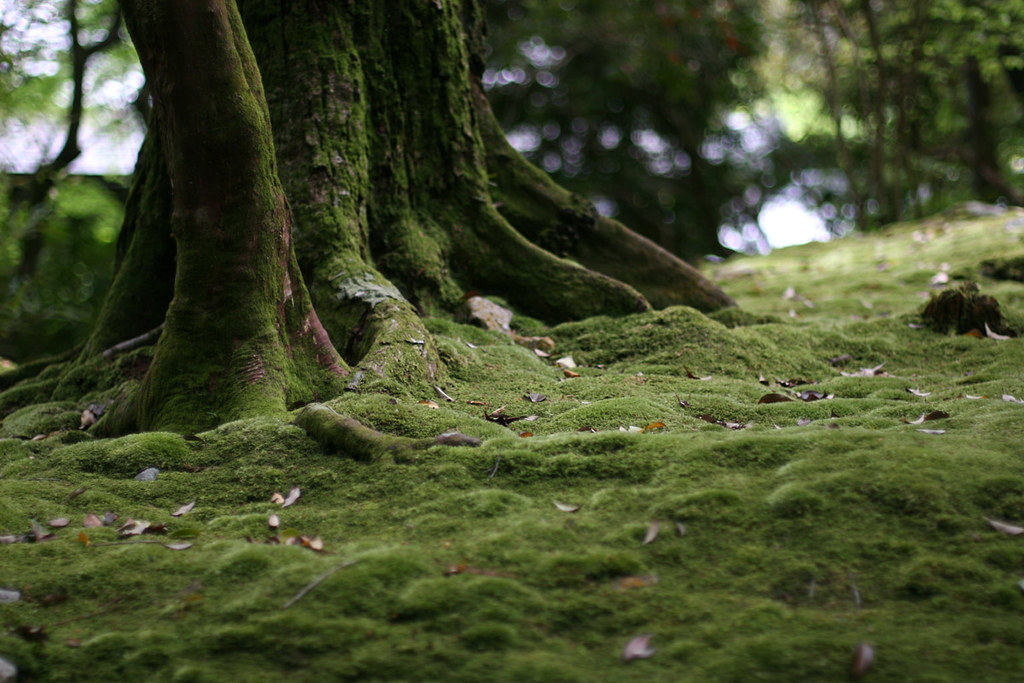
At Saihoji temple. It is specified for World Heritage.

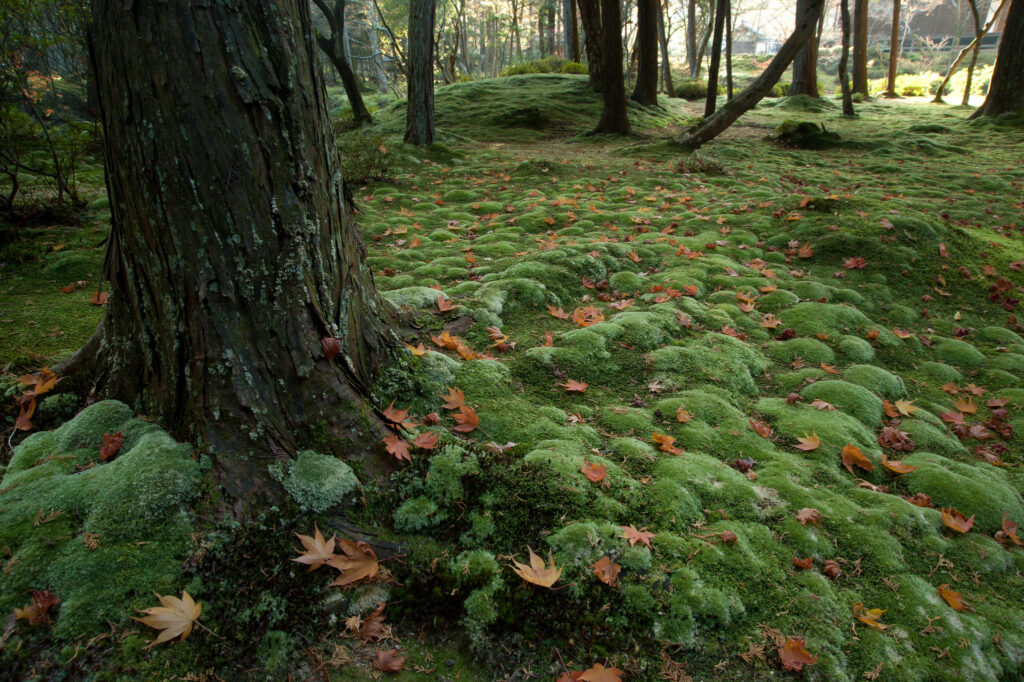
A Garden of Layers and Silence
The garden unfolds in two distinct levels. The lower garden centers on a heart-shaped pond said to echo the Chinese character for kokoro, meaning heart or mind. Around it, moss blankets the ground in velvety layers—some springy and bright, others deep and shadowed, clinging to rocks and tree roots like living patina.
Stone paths meander gently through the space, encouraging a slow, deliberate pace. There are no bold flower displays or dramatic focal points. Instead, beauty emerges through nuance: the texture of moss against bark, the contrast between still water and rippling reflections, the soft gradations of green beneath towering maples and cedars.
Above, the upper garden ascends into a quieter woodland setting with a traditional tea house. Here, moss gives way to leaf litter, stone steps, and filtered light, reinforcing the transition from outward observation to inward contemplation.
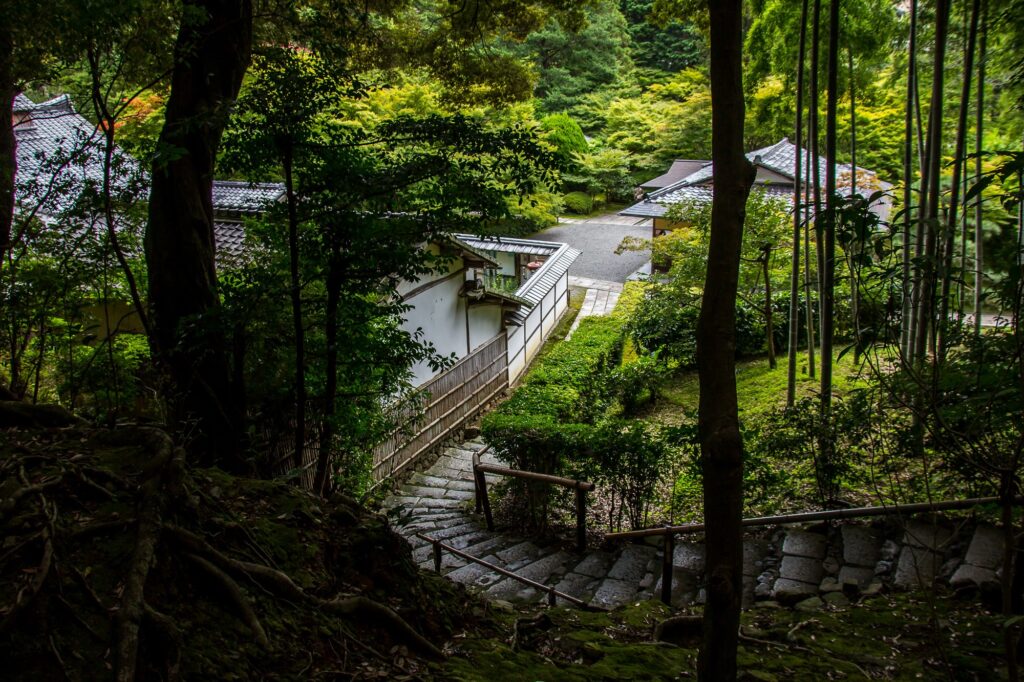
The Philosophy of Impermanence
Saihō-ji embodies wabi-sabi—the Japanese aesthetic that finds beauty in imperfection, impermanence, and humility. Moss, often overlooked or removed in Western gardens, is celebrated here precisely because it is transient, sensitive, and dependent on balance. Its presence reminds visitors that gardens are not static compositions, but living systems shaped by time, weather, and care.
The temple’s strict visitation practices reinforce this philosophy. Entry is limited, and visitors traditionally participate in a period of sutra copying before entering the garden. This ritual slows the mind, preparing guests to engage with the landscape attentively rather than as passive observers.
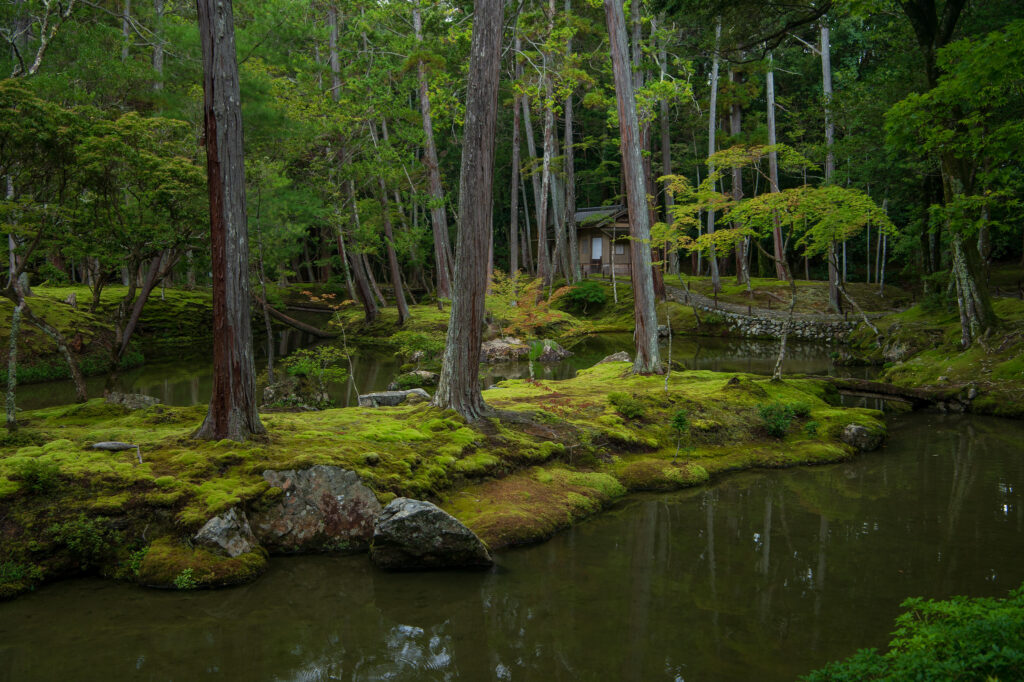


A Global Influence
Kokedera’s influence extends far beyond Kyoto. It has shaped generations of Japanese garden designers and inspired moss gardens worldwide, from Pacific Northwest shade gardens to contemporary minimalist landscapes. Its lessons are subtle but profound: restraint can be powerful, patience can be transformative, and allowing nature to lead can result in unexpected beauty.
In a world increasingly defined by speed and spectacle, Saihō-ji offers something rare—a space where quiet is the main feature, and where the smallest details hold the greatest meaning.
Visitor Information
- Location: Kyoto, Japan (Nishikyō Ward)
- Admission: Advance reservation required
- Best Time to Visit: Late spring through autumn for peak moss vitality
- Highlights: Moss-covered garden paths, heart-shaped pond, Zen temple atmosphere, tea house garden
- Website: saihoji-kokedera.com
About the San Francisco Garden Club’s Featured Garden Series
The San Francisco Garden Club celebrates the art, history, and joy of gardens around the world. Our Featured Garden series highlights inspiring landscapes—near and far—that shape the way we think about design, ecology, and beauty. Each month, we showcase a remarkable garden to spark curiosity, deepen horticultural knowledge, and connect our members with the broader world of plants and place.
Never Miss a Story
Subscribe to our posts to receive each new Featured Garden directly in your inbox—beautiful gardens, thoughtful insights, and fresh inspiration delivered monthly.