In September, thanks to Beverly Hayes, a group of Garden Club members had the opportunity to attend a presentation about dahlias by the president of the SF Dahlia Society founded by Dr. Erik Gaensler. Dr. Gaensler has almost 40 years of knowledge and expertise in dahlia care and propagation and could not be more passionate about the topic. Originally hailing from the East Coast, he is a Harvard and UCSF trained neuroradiologist who found his true love with dahlias. He married Shelley, a surgeon, in 1999 and is proud to announce that they had an all-dahlia wedding. Shelly lends her sur- gical skills in splicing the dahlia tubers into separate sections to create additional plants.
The dahlia was named after the 18th century Swedish botanist, Anders Dahl by Spanish botanist Antonio Jose Cavanilles in 1791. Dahlias originated in Mexico and Central America, where they were used by the Aztecs for food, medicine and rituals. Cavanilles was the director of the Royal Gardens in Madrid and had received plant parts from the director of the Botanical Garden in Mexico City. He grew these to flowers and then named the new genus Dahlia to honor the Swedish scientist. As of October 24, 1926, the SF Board of Supervisors, under the leadership of the then mayor Rolph, by official resolution, adopted the dahlia as the official flower of the city of San Francisco. At the time, due to a dahlia boom, it was not unusual to pay ten to fifteen dollars apiece for a dahlia, more than today’s prices. In 1963 the dahlia was designated as the national flower of Mexico, where 31 distinct species can be found.
The founding of the SF Garden Club and the designation of the dahlia as the official flower of SF occurred in the same year. At this time, the SFGC and the Dahlia Society of California (DSC) had overlapping objectives, and they shared prominent honorary members. The two organizations focused on different aspects of civic horticulture. John McLaren, the prominent Park Superintendent, was involved with both groups. He was the honorary president of the SFGC, while also working closely with the DSC on their projects in Golden Gate Park.
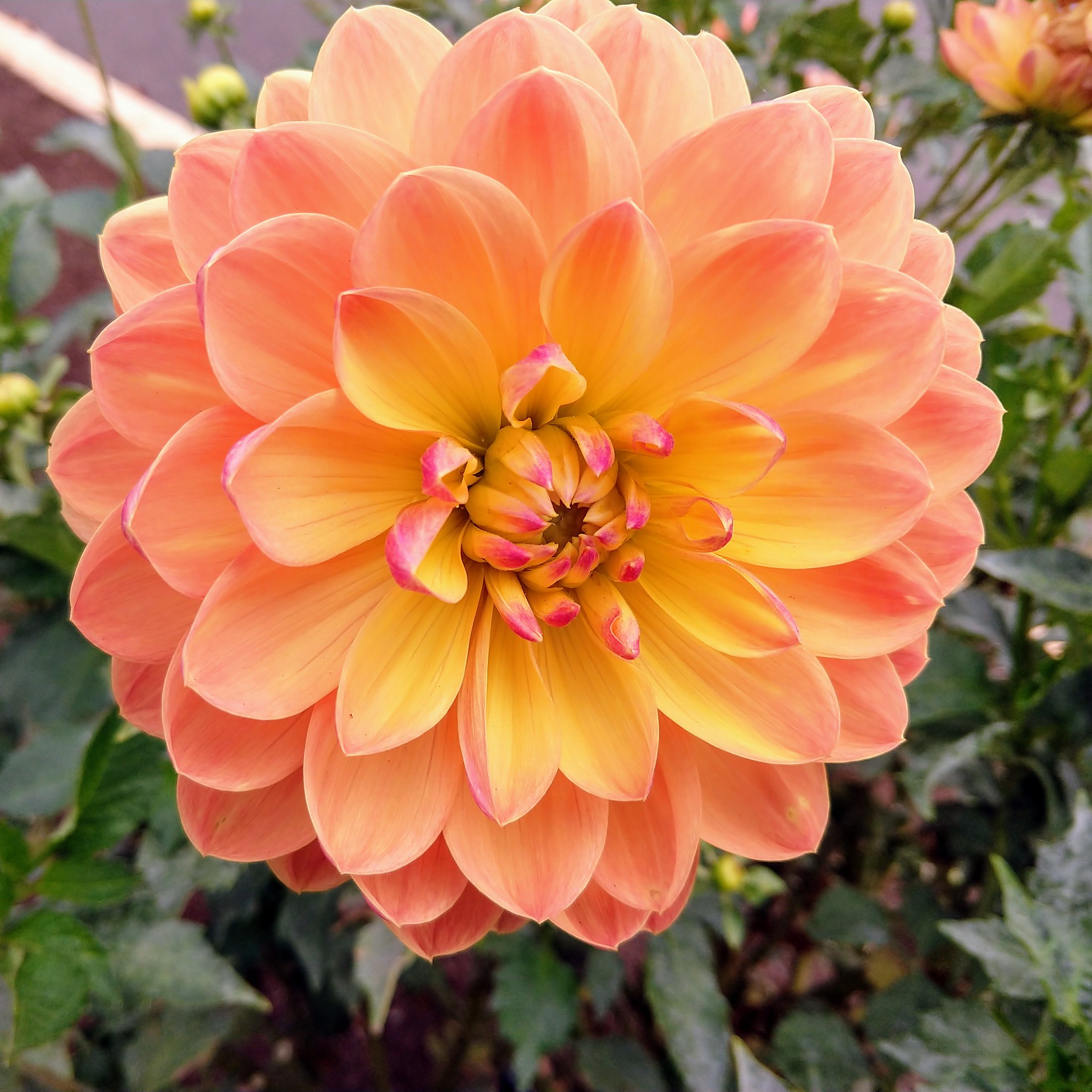
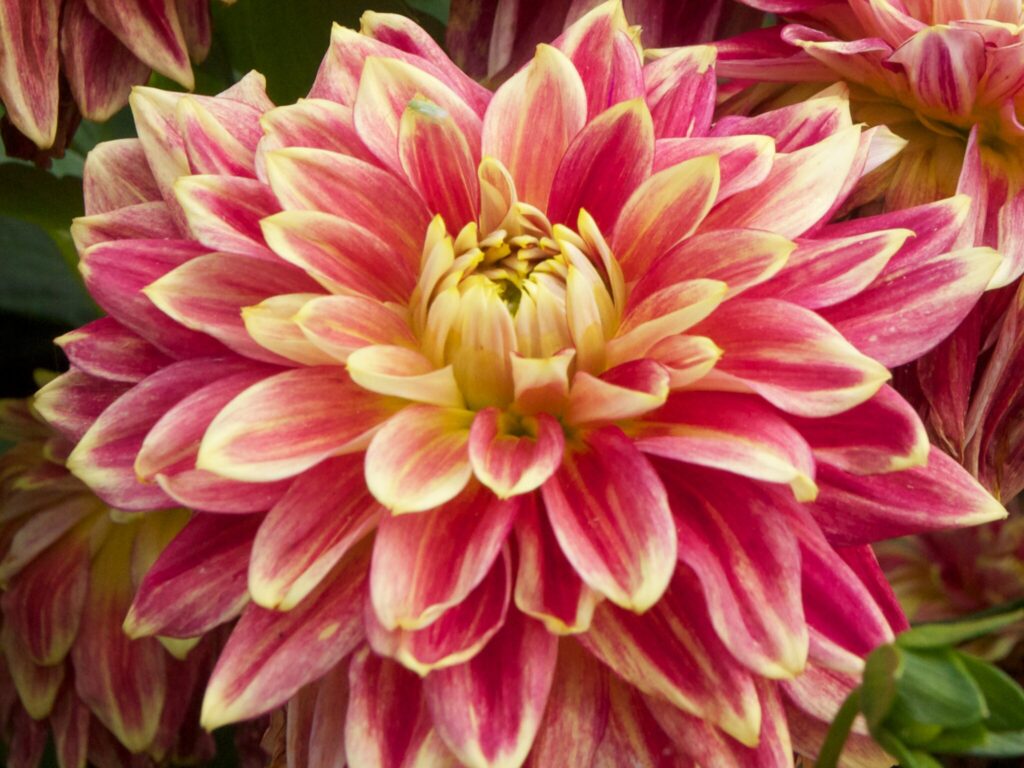
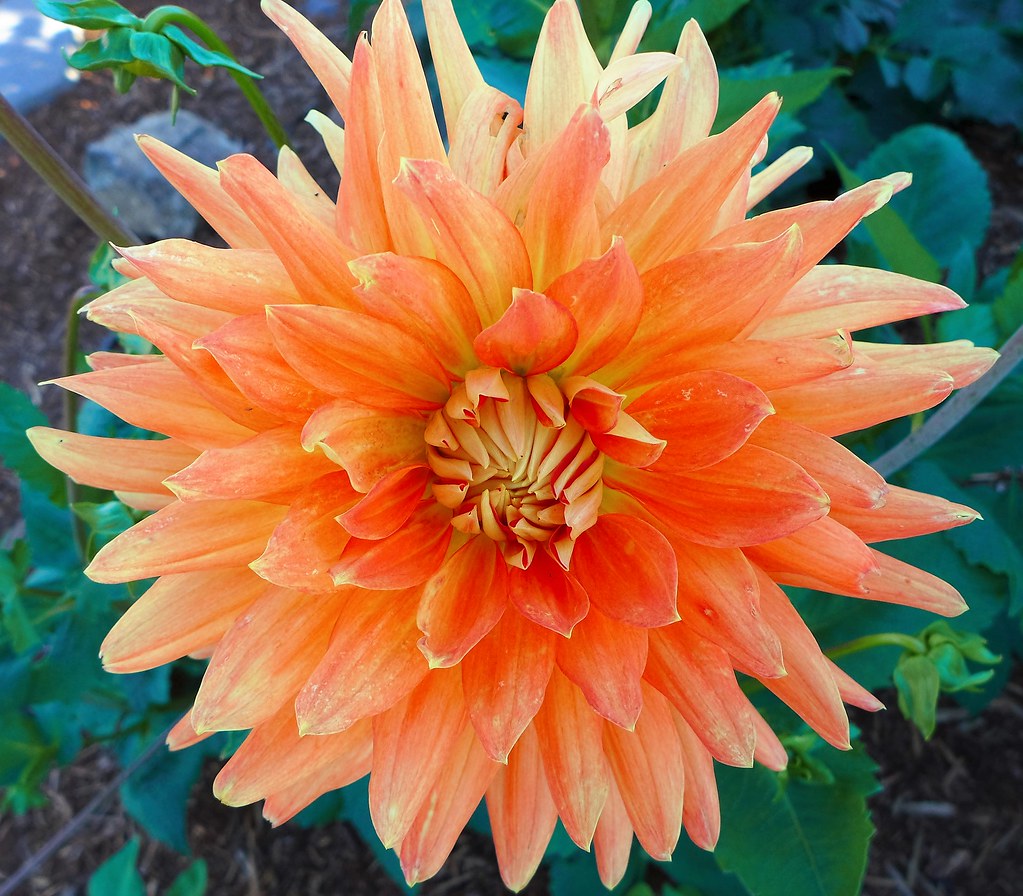
There are many shapes of dahlias-cactus, decorative, ball, pom pom, anemone, single peony, novelty, orchid ,stellar, waterlily, laciniated collarette, mignon and orchette. There are many sizes of dahlias – giant (about 8-10+ inches in diameter), large medium, small, miniature, ball, miniature ball, pompom and mingnon single(up to 2 inches). There is a vast color range of dahlias. There are 15 recognized color groups, including bicolor, variegated, plus blends both dark and light.
We are fortunate to have the world’s foremost dahlia geneticist, professor emerita Virginia Walbot at the Stanford Dahlia Project. She taught her students about plant genetics using dahlias. Dahlias have 8 strands of DNA. She loves dahlias for their beauty and genetic diversity and continues her research.

The Dahlia Dell GG Park, next to The Conservatory of Flowers, is a San Francisco treasure. The DSC focuses on maintaining the Dahlia Dell. This project began in the early 20th century and involves cultivating hundreds of varieties of dahlias for beauty, exhibition and education. No funds are provided from the city, only the real estate and a hose! The annual sale of tubers and cuttings at the Hall of Flowers in Golden Gate Park helps to pay for expenses. There is such local interest that the tables are depleted in about two hours. Another fundraising mechanism is the ability to name a dahlia to support heir efforts. Under the exuberant guidance and direction of Dr. Gaensler, the Dahlia Dell is run by volunteers with over 1000 tubers to maintain. It is a place of true glory right here in our San Francisco backyard.